Xanthan Gum

Last Modified : 2025-05-19

Use Case :

  • Food Products: Used as a thickening and stabilizing agent in sauces, beverages, baked goods, and gluten-free products.
  • Cosmetic and Personal Care Products: Employed in lotions, creams, and shampoos to provide a uniform texture and prevent phase separation.
  • Pharmaceutical and Industrial Products: Used in pharmaceuticals for suspending drugs and in industry for controlling the viscosity of fluids.

Product Analysis File :

Description :

Xanthan gum is a natural polysaccharide produced by fermenting sugar with the bacterium Xanthomonas campestris. Due to its high thickening and stabilizing properties, it is widely used in the food, cosmetic, pharmaceutical, and industrial industries. Xanthan gum helps create uniform texture, stability, and viscosity in various products, and it is especially effective as a substitute in gluten-free products.

Need More Information?

Our Support Center Will Help You

Industries using this product :

Key Features and Benefits

  • Strong Thickening and Stabilizing Agent: Xanthan gum has exceptional thickening and stabilizing abilities, helping to maintain the consistency and stability of food and cosmetic products.
  • Suspension Properties: This ingredient acts as a suspending agent, preventing particles from settling and ensuring even distribution.
  • Stability Under Various Conditions: Xanthan gum is resistant to temperature, pH, and salt, making it a highly stable ingredient in diverse environments.

Technical Specifications

  • Chemical Formula: (C₃₅H₄₉O₂₉)n
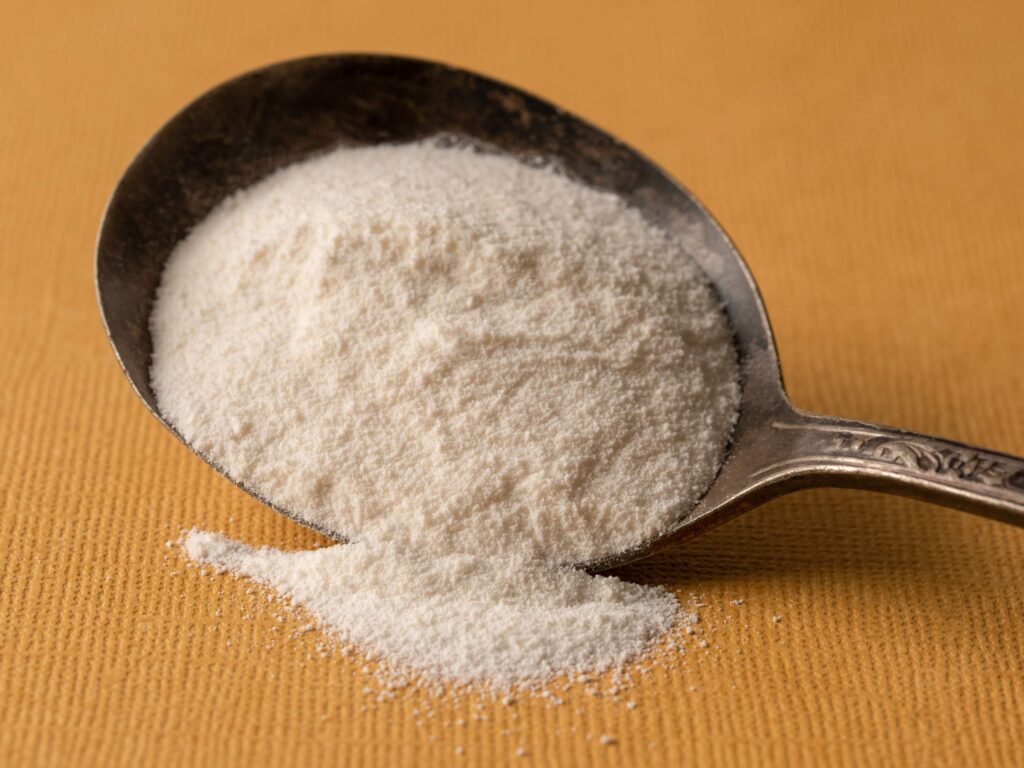
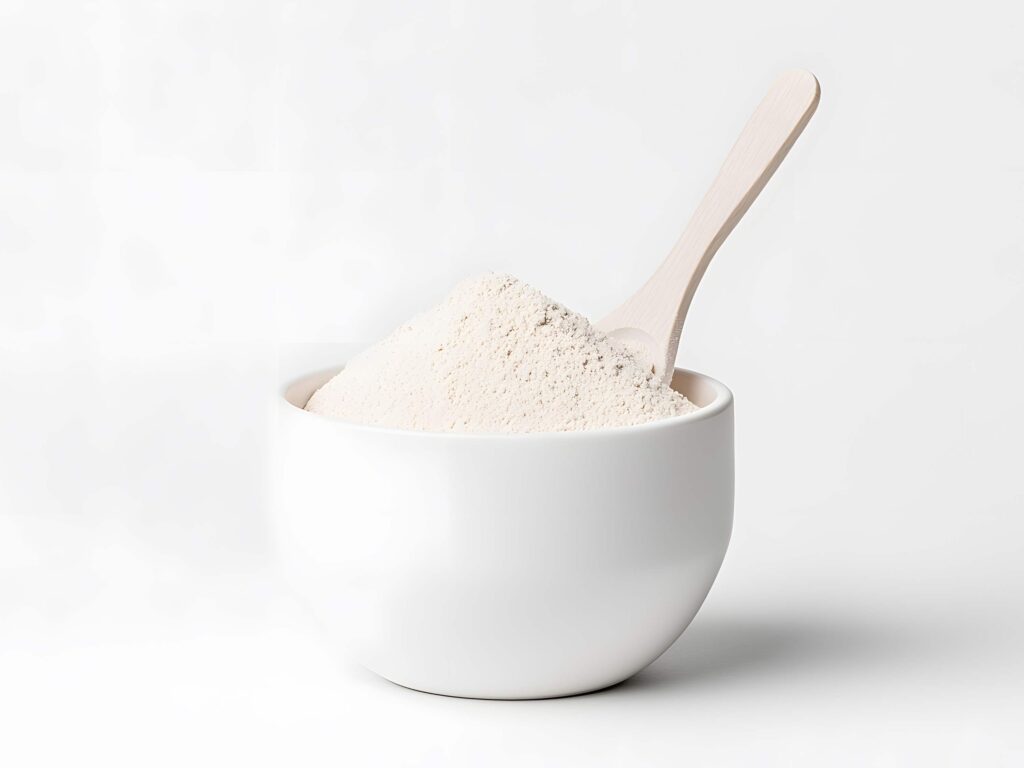
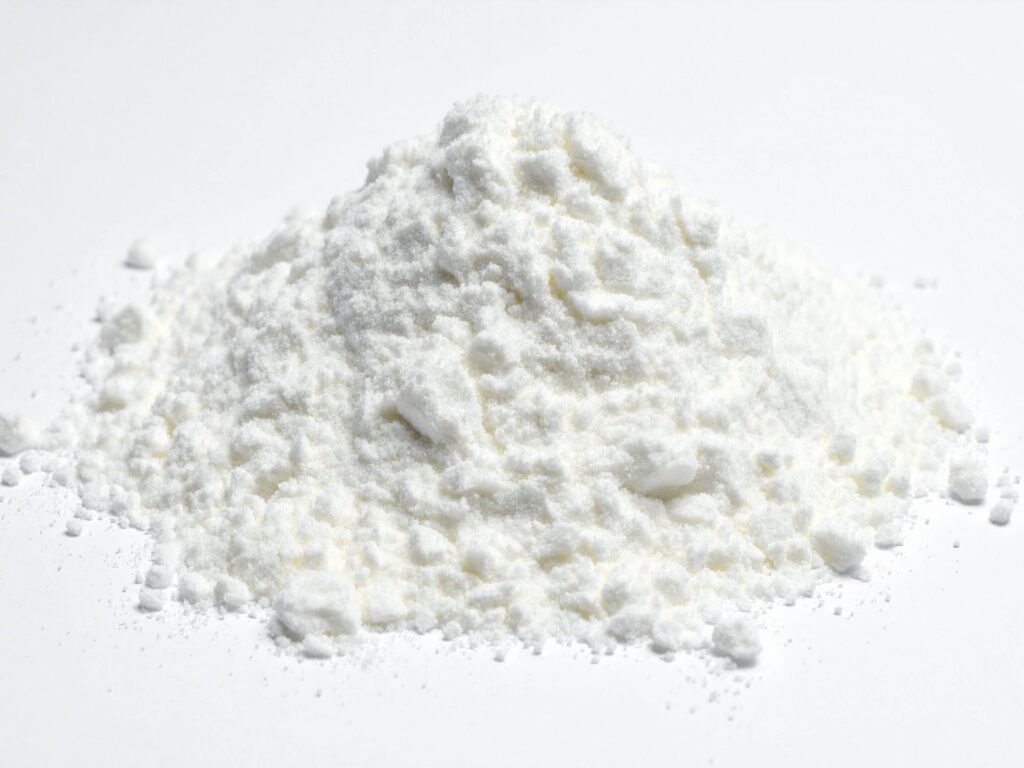
  • Appearance: White or light yellow powder
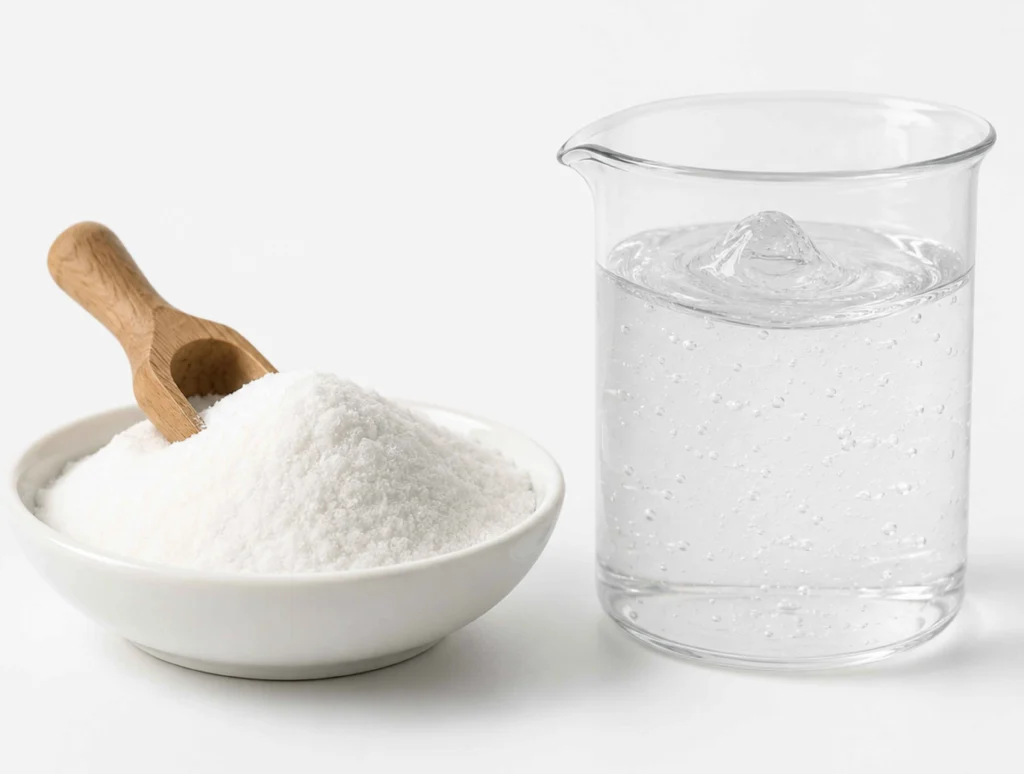
  • Solubility: Easily dissolves in water to form a uniform gel
  • Storage Conditions: Store in a cool, dry place, away from direct sunlight to preserve product quality.

Frequently Asked Questions (FAQ)

  • Why is Xanthan Gum used in gluten-free food products?
    Xanthan gum improves the texture and stability of gluten-free products due to its strong thickening and binding properties, creating a soft texture.
  • Is Xanthan Gum suitable for use in cosmetics?
    Yes, Xanthan gum is used as a thickener and stabilizer in creams and lotions, preventing the separation of oil and water phases.

Similar Products

کریمر - creamer

Beverages:
Creamer is widely used in coffee, tea, instant coffee, and other hot beverages to create a creamy texture, soften bitterness, and improve mouthfeel.

Food Industry:
It is used in the production of instant desserts, powdered beverages, cakes, and confectionery products as a flavor and texture enhancer.

Instant and Convenience Products:
Creamer is incorporated into ready-to-use products such as instant soups and beverage mixes to improve consistency and product uniformity.

فومر (Foamer)

Foamer is a food ingredient designed to create and stabilize foam in beverages and food products. It is typically formulated using functional proteins, emulsifiers, or specialized foaming agents. By producing a stable and consistent foam, foamer significantly enhances the appearance, texture, and overall consumer experience, especially in instant coffee and specialty beverage applications.


(Inulin)

Inulin is a natural, soluble dietary fiber and prebiotic, primarily extracted from plant sources such as chicory root. Due to its ability to improve food texture, replace fat, and support gut health, inulin is extensively used in the food, pharmaceutical, and nutraceutical industries. It enhances the nutritional profile of products without negatively affecting flavor.

اسانس‌های طعم‌دهنده مواد معطر و طعم‌دهنده غلیظی هستند که از منابع طبیعی (مانند گیاهان، میوه‌ها، و ادویه‌ها) یا از طریق ترکیبات مصنوعی تهیه می‌شوند. این اسانس‌ها به‌طور گسترده در صنایع غذایی، نوشیدنی، آرایشی و دارویی برای ایجاد طعم و عطر مطلوب در محصولات به‌کار می‌روند. اسانس‌ها در فرمولاسیون محصولاتی چون آب‌نبات، بستنی، کیک، شیرینی، نوشیدنی‌ها، و محصولات مراقبت شخصی کاربرد دارند.

Flavoring essences are concentrated aromatic and flavorful substances derived from natural sources (such as plants, fruits, and spices) or synthesized through artificial compounds. These essences are widely used in the food, beverage, cosmetic, and pharmaceutical industries to impart desirable flavors and aromas to products. They are commonly incorporated into confectioneries, ice creams, cakes, candies, beverages, and personal care products.